
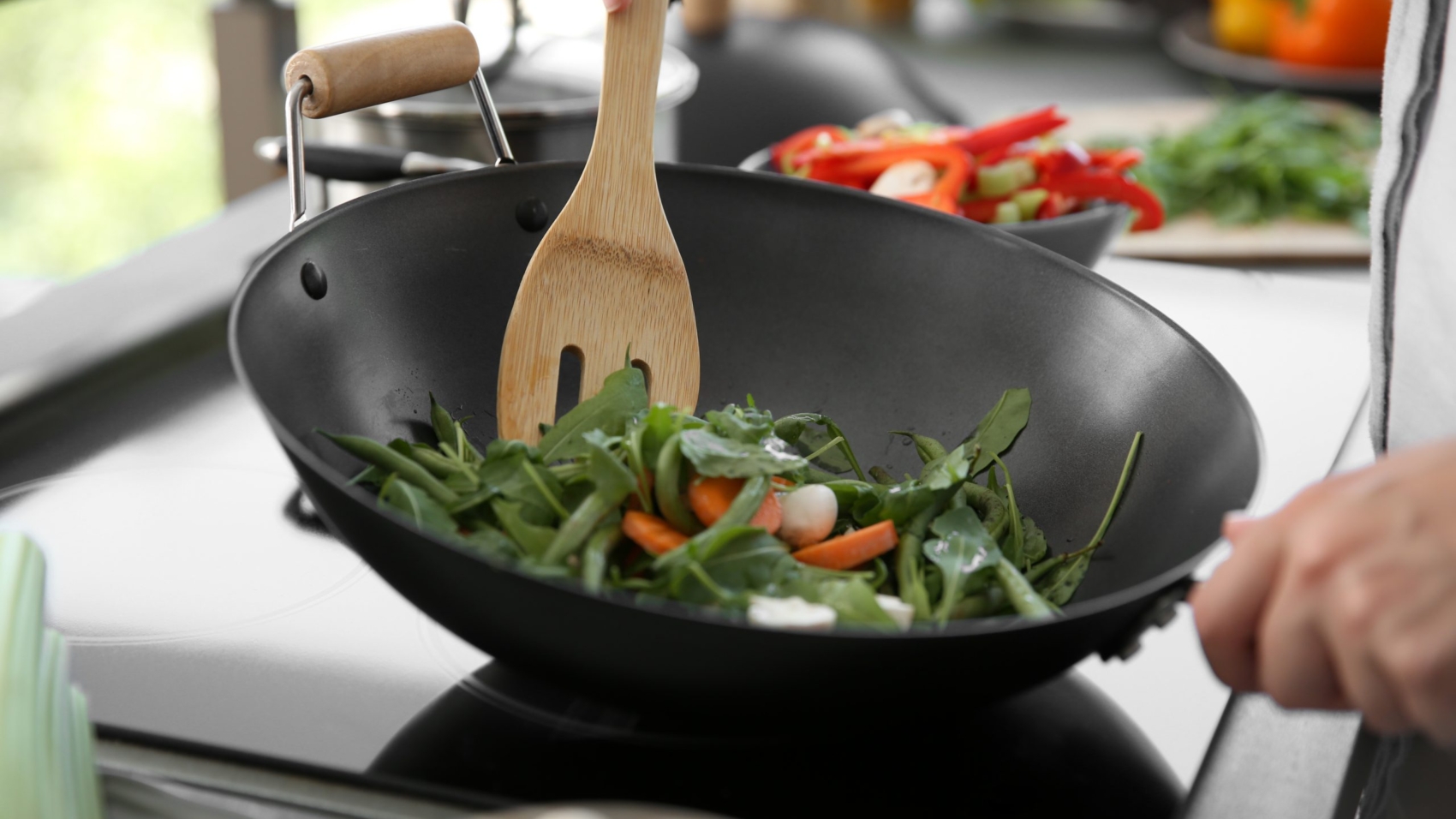
There is a particular convenience to preparing an entire meal in one pan. Fewer dishes need washing, ingredients can cook together, and flavors have an opportunity to combine as the preparation progresses.
Skillet cooking is especially useful for busy days when a satisfying meal is needed without complicated preparation.
Why One-Pan Cooking Works
A skillet provides direct, concentrated heat that can brown ingredients, soften vegetables, and reduce sauces. Since everything cooks in the same vessel, the browned bits left behind after searing can become part of the final dish.
One-pan meals also encourage efficient ingredient preparation. Instead of using several pots for individual components, a cook can build a complete combination in stages.
The important principle is timing. Ingredients should be added according to how long they need to cook.
The Order of Ingredients Matters
A successful skillet meal usually begins with ingredients that require more time or benefit from browning.
For example:
- Heat the pan and add a suitable cooking fat.
- Brown chicken, tofu, or another protein when the recipe requires it.
- Add firm vegetables such as carrots, onions, or peppers.
- Introduce quicker-cooking ingredients such as spinach, peas, or mushrooms.
- Add seasonings, cooked grains, or sauce.
- Finish with fresh herbs, citrus, or another delicate ingredient.
This sequence prevents softer vegetables from becoming overcooked while harder ingredients remain underdone.
Three Ways to Change the Flavor
A single cooking method can produce several different meals simply by changing the flavor direction.
Mediterranean-inspired skillet: Combine chicken or chickpeas with tomatoes, zucchini, garlic, oregano, and olives. Finish with lemon and fresh parsley.
Ginger and sesame combination: Sauté tofu or chicken with broccoli, carrots, garlic, and ginger. Add a mixture of soy sauce and sesame oil near the end of cooking.
Creamy vegetable skillet: Cook mushrooms, spinach, and onions, then add a modest amount of cream or a suitable alternative. Season with black pepper and herbs.
These combinations are starting points rather than strict recipes. Ingredient quantities can be adjusted to the number of portions being prepared.
Avoid Common Skillet Mistakes
Overcrowding is one of the most frequent problems. When too many ingredients are added at once, they release moisture and begin steaming instead of browning. Cooking in batches can produce a better texture.
Another mistake is using excessive heat throughout the entire process. High heat is useful for browning, but delicate vegetables and sauces may require a lower temperature.
It is also important to avoid stirring constantly. Some ingredients need uninterrupted contact with the pan to develop a golden surface.
A Meal That Adapts to What You Have
Skillet cooking does not require an exact shopping list. Leftover rice, fresh vegetables, cooked beans, eggs, and small amounts of protein can all become part of a quick meal.
The method is simple: prepare ingredients according to their cooking times, combine complementary flavors, and finish with something fresh.
With a dependable skillet and a little planning, one-pan cooking can become one of the most flexible techniques in an everyday kitchen.